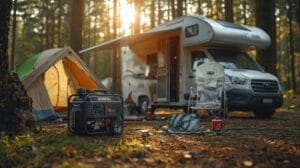
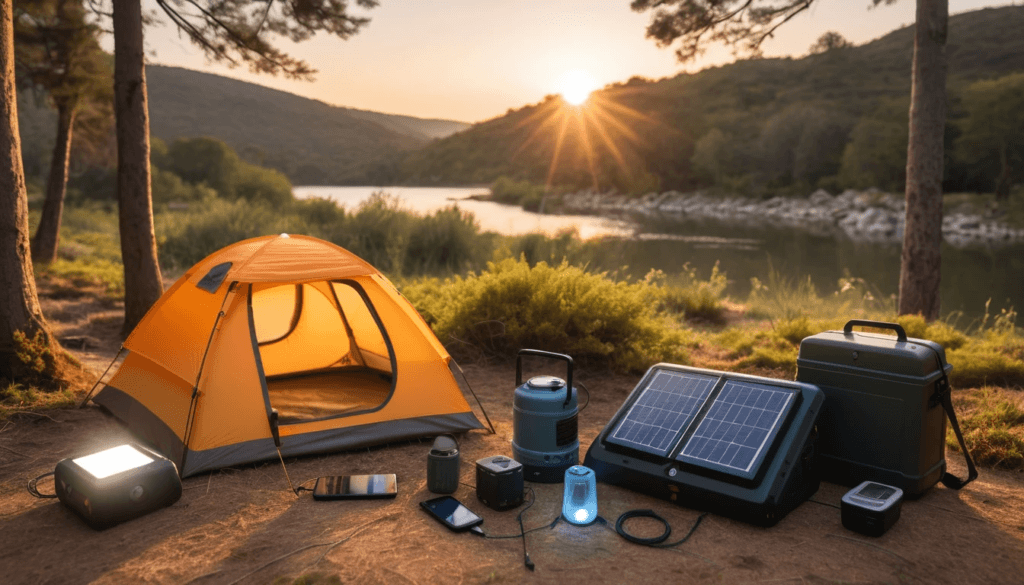
Camping has changed. Gone are the days of total off-gridness or loud, fuel-heavy generators. Portable solar generators are now a must for modern campers. They let us charge devices, keep food cold, and light camps with clean, quiet solar energy.
Power stations in 2025 are much better than before. Trends now favour lighter designs and tougher batteries, such as Lithium Iron Phosphate (LiFePO4), with fast solar recharging. This means more power and reliability without overworking your gear.
Choosing a solar generator can feel overwhelming. There are many options. This article will cover the best models for 2025, main features, and guide you to the right generator for your camping needs.
What is a Great Portable Solar Generator to Use When Camping?
The portable power stations are not equal. When you are in the wild, you require a strong,
an effective and enduring source of power.
The following are the main aspects to be considered.
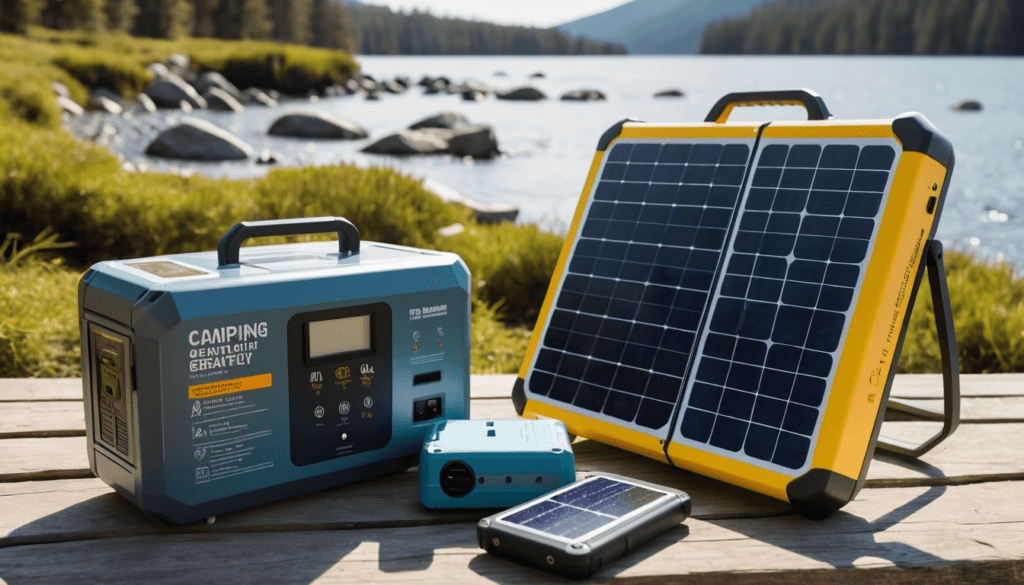
Portability
Every pound and inch matters when you’re packing for a camping trip. A good camping generator needs to be easy to carry. Look for models with comfortable handles and a compact design. Keep in mind that a generator for a short weekend getaway will weigh less than one intended for longer, family trips.
Power Capacity & Output
This is the core function of the generator. Capacity: This is measured in watt-hours (Wh) and indicates the total amount of energy the battery can store. Power output: measured in watts (W), it indicates how much energy the generator can deliver at once. You need to know both the continuous wattage your devices require and the surge capacity needed for devices that draw extra power during startup, such as mini-fridges.
Minimum surge capacity to meet the initial power demand of gadgets like mini-fridges.
Solar Entree and Recharge Alternatives.
A solar generator is only helpful if it recharges well. Look for high solar input (in watts) for faster charging. Versatility is essential, too. The best models recharge from wall outlets, car sockets, and solar panels.
Battery Chemistry & Lifespan
Lithium Iron Phosphate (LiFePO4) battery chemistry is the standard for portable power stations in 2025. LiFePO4 batteries have a much longer life than older lithium-ion batteries (usually 3,000 or more charge cycles compared to 500-800 for regular lithium-ion), are thermally more stable (less likely to overheat), and have steadier performance. This makes them a long-lasting investment for many camping seasons.
Durability & External Readiness.
Your generator needs to withstand the elements. It should have a tough shell to resist scratches and impacts. Most aren’t waterproof, but look for some weather resistance to handle dust and light splashes. Covered ports and solid construction show it’s ready for outdoors.
Best of 2025 – models suggested.
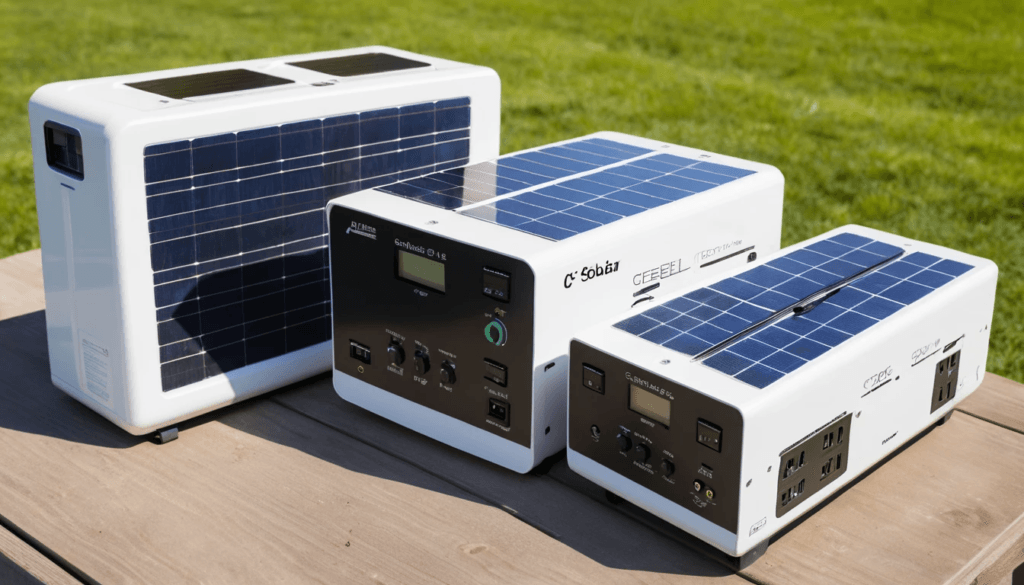
The following are our top picks for portable solar generators to keep you powered during your camping trips in 2025.
Model A -Lightweight and short trip camping.
This model is a great companion for solo adventurers or weekend campers who need to power only the essentials. It’s lightweight and compact, fitting easily into a backpack.
Why it works well for camping: It has a small footprint and low weight, making it ideal for minimalist camping and short trips with just a phone, camera, and a few LED lights.
Essential Features: 300Wh (watt-hours: the total amount of electricity stored in the generator), 300W (watts: the maximum power you can pull from the generator at one time), LiFePO4 (Lithium Iron Phosphate battery: a long-lasting, safe type of battery).
Advantages: Very small, cheap, and rechargeable via USB-C.
Cons: Small size, will not operate larger appliances.
Model B — The All-Rounder
This mid-range model is the best compromise between power and portability for most campers. It is large enough to accommodate a long weekend and can accommodate a mini fridge.
Why is it great for camping? It fits many camping styles, from car trips to extended stays. Yet, it’s not too heavy.
Specifications: 750Wh (watt-hours: total energy stored), 1000W (watts: maximum power you can use at once), LiFePO4 (Lithium Iron Phosphate battery: a stable battery chemistry with a long lifespan), 200W solar (maximum solar input power: how many watts of solar charging it can take).
Advantages: Decent capacity-to-weight ratio; can drive several devices, such as a small cooler.
Disadvantages: It may be too heavy to carry in a backpack.
Model C — To High-Capacity and Family Camping.
This generator is the choice when you need ample power for extended stays or larger groups. It supports several devices, from a camp fridge to a small grill. Its large capacity means less frequent recharging and reliable power for family or extended trips.
The main specifications are: 1500Wh capacity (watt-hours: the total energy the battery stores), 2000W output (watts: the peak amount of power delivered at once), LiFePO4 battery (Lithium Iron Phosphate: a safe and long-lasting battery chemistry), and 500W solar input (watts: the highest solar charging rate it can handle).
Advantages: High power output, rapid solar charging, and operates most camping gadgets.
Cons: Bulky and costly for short trips.
Bonus Options / Budget Picks
Entry-level models offer great value for newcomers to solar generators or those on a budget. They might provide less capacity or use older battery types, but they reliably power basics like phones and headlamps. Selecting the right generator for your camping style is key.
The most desirable generator is the one that suits you. This is the way to make the right decision.
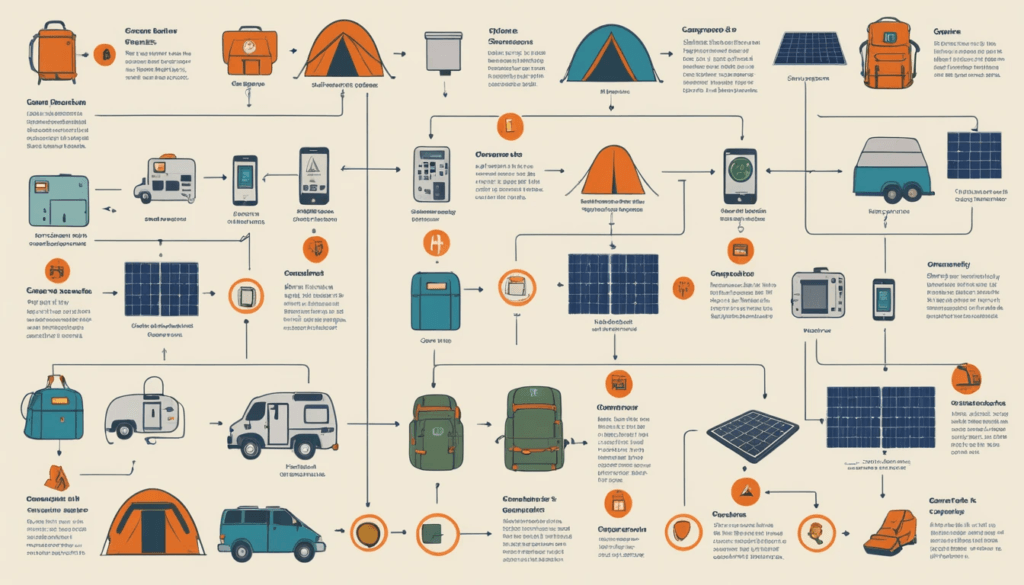
Capacity and Duration With Your Devices.
List your devices: phones, laptops, lights, fridge. Estimate their power use. Trips that are longer, or devices that use more power, need bigger batteries (more Wh).
Outdoor vs. Vehicle vs. Remote Campsite.
Your camp location matters. Car camping allows for heavier gear. For remote, hike-in spots, weight is critical. If you camp far from civilisation, good solar recharging is essential.
Be cautious when carrying the generator to your camp. Is it easily transportable out of your car? Can it fit in your trunk with all your other equipment?
Consider Solar Panel Setup
If you want solar, consider panel cost and weight. Make sure your generator’s solar input matches your panels. Small generators pair well with a 100W panel.
Evaluate Cost vs. Value
A costly LiFePO4 generator can save money over time thanks to its longer life. Check the brand’s warranty and customer support, too.
- Pre-planning: Always make sure you charge your generator at home before you go. Be aware of the power consumption of your gadgets to control their use.
- Efficient Usage: Use energy-efficient equipment such as LED lights. Switch off the generator’s ports when not in use to avoid phantom power drain.
- Placement of the solar panels: To maximize efficiency, the panels should face the sun and be rotated throughout the day. Please do not keep them in the dark.
Maintenance & Battery Care: Do not allow the battery to be drained completely. Keep the generator in a cool, dry area and check the charge level after every few months during the off-season.
Camping Edition: Frequently Asked Questions.
- How many days will this generator last during a typical 3-day camping trip?
It depends on how you use the generator. A 500Wh model can power phones and lights for a weekend. Adding a fridge means you must recharge every day with solar panels.
- Am I only able to charge it through a solar panel when I am in a remote location?
Yes, you can use solar panels in remote places. Be sure you have enough daylight and an ample panel to recharge fully, based on your daily needs.
- What would be the effect in case of rain or low sunshine?
On rainy or cloudy days, solar charging will be slow or may not work at all. It’s smart to buy a generator with more capacity than you think you’ll need, in case of bad weather.
- Can I use it to charge my camping fridge or a small AC? What capacity do I need?
Yes, but you need the right generator size. To know what you need, calculate the power your fridge uses when running (usually 40-60W, meaning it uses 40 to 60 watts continuously). Choose a generator with at least 500Wh (watt-hours) for a night’s use. A small AC unit draws more power and would require a generator with at least 1500 Wh of capacity.
Final Thoughts
Your choice of portable solar generator should always reflect your actual needs. There’s no need to buy the largest model available—aim to balance portability, capacity, and solar input for your camping habits. With the proper selection, your generator will deliver years of clean, dependable power outdoors.
Ready to explore your options? See our thorough reviews at myelectricgenerators.com. Use your generator wisely and care for its battery. You’ll keep it running well for many trips.