Electricity outages are increasing, particularly due to severe weather and outdated infrastructure. Power blackouts are now common for most homeowners. This trend drives more individuals to invest in reliable backup power solutions. A home standby generator is a top option, providing automatic backup power during outages.
A standby system connects directly to your home’s electrical panel, unlike a portable generator, which you must manually wheel outside and start. If a power failure occurs, the standby system automatically activates and powers your house until utility service returns, requiring no effort on your part.
This manual contains all the information you need about the functionality of these systems. We will discuss the most essential parts, the step-by-step procedure for how it provides backup power, and what you should consider before purchasing one.
Home Standby Generator Overview.
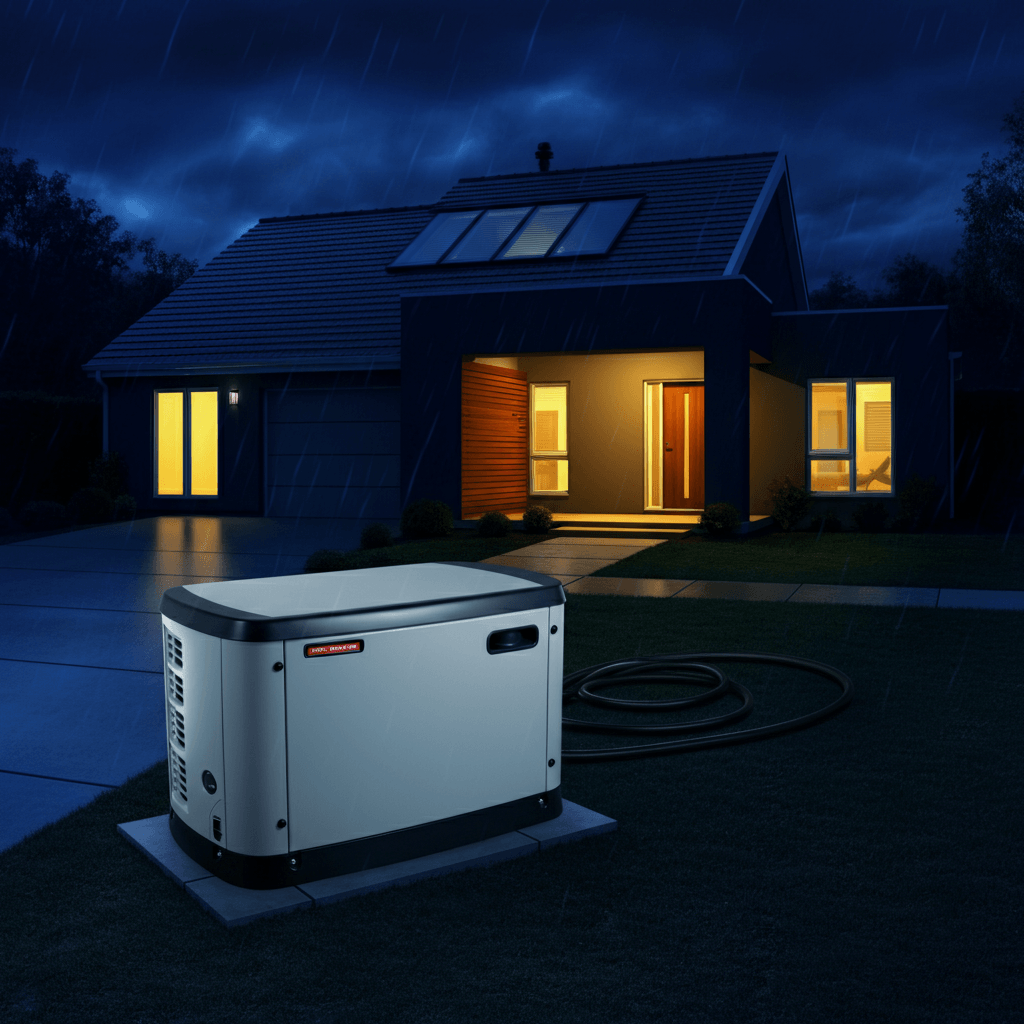
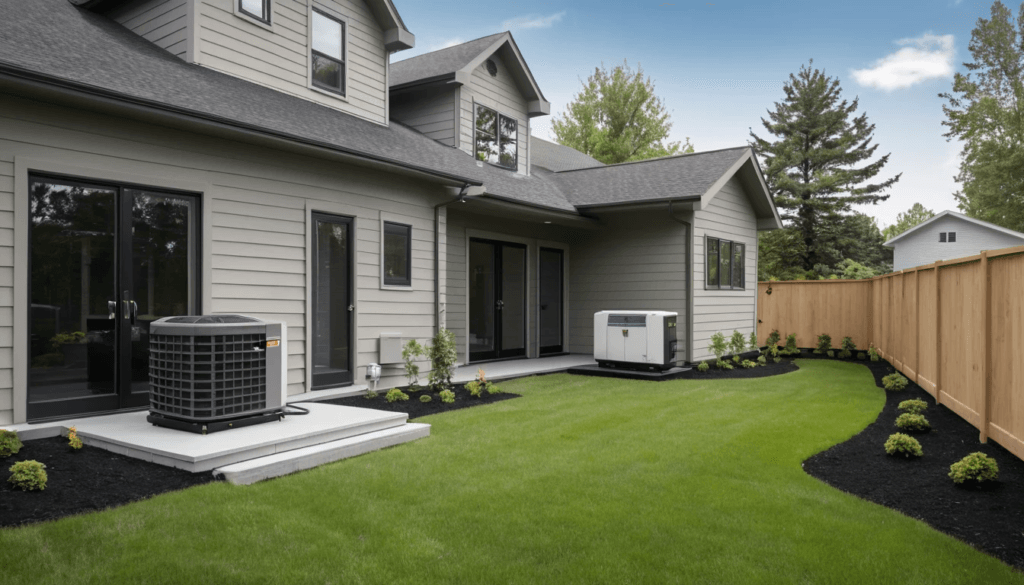
A home standby generator is an external electrical generator permanently mounted, like a central air conditioner. It is directly related to your house’s electrical system and is usually supplied by a constant fuel source, such as natural gas or liquid propane. The primary purpose is to provide you with continuous power in case your home loses power.
Definition and Comparison with Portable Generators.
The most significant distinction between a home standby generator and a portable generator lies in their design and operation.
- Home Standby Generators: These are permanently installed, fully automated systems. Manufacturers, such as Generac, describe them as reliable and convenient. They are connected to your home’s electrical panel via an Automatic Transfer Switch (ATS), which automatically switches the power source to your home. They can operate for several days or even weeks without refueling, since they are connected to the natural gas line in your home or a large propane tank.
- Portable Generators: These devices are temporary and, as noted by sources such as ElectricityPlans, are not integrated with your home’s electrical wiring. They must be positioned outside and manually connected to appliances using extension cords. Usually powered by gasoline, they require frequent refueling during extended outages, which can be challenging and potentially unsafe during severe weather.
Typical Use Cases
Standby generators are suitable for homeowners who prioritize uninterrupted comfort and power, particularly in scenarios that demand continuous electricity:
- Full-Home Backup: Turns on all the lights and appliances in your home. CriticalCircuits: Ensures that essential systems, such as refrigerators, medical equipment, security systems, and sump pumps, continue to function. Sump pumps keep functioning.
- Remote Homes: Maintain a stable power supply for residences in areas with unreliable or frequently interrupted electrical service.
Essential Elements of a Standby Generator System.
A home standby generator system is not just an engine; it is a complete system composed of interconnected components that work together to provide automatic backup power.
Engine & Alternator
The primary component of the system is a heavy-duty engine (usually fueled by natural gas or propane, with diesel options available) that turns an alternator. The alternator produces electricity by converting the mechanical energy from the engine into electrical energy to power your home, according to power experts at Pleavin Power.
Automatic Transfer Switch (ATS).
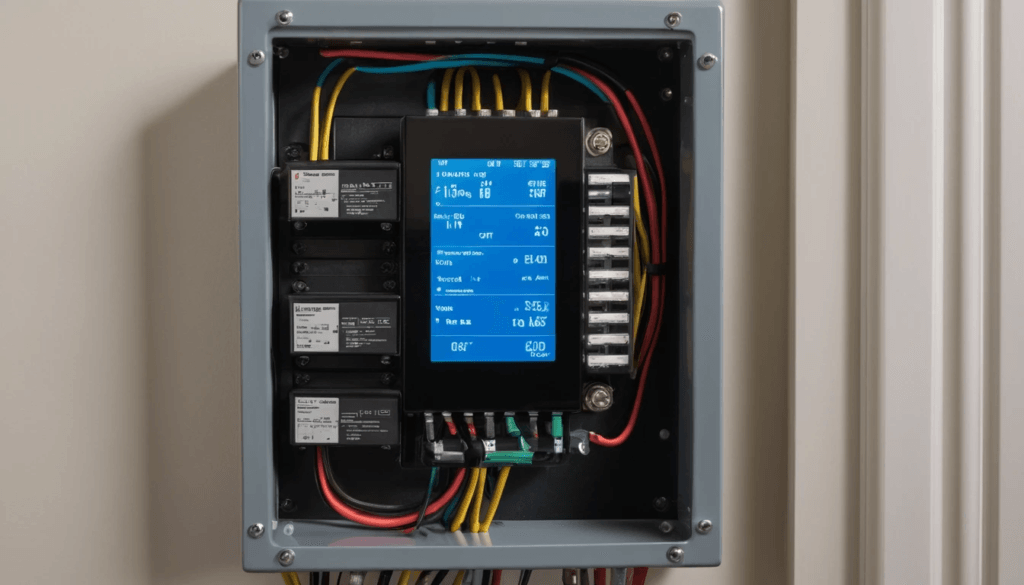
The Automatic Transfer Switch (ATS) detects a power outage and activates the generator. According to This Old House and Wikipedia, it is mounted beside your main electrical panel. The ATS constantly monitors the electricity supply from the utility company. When the generator reaches the correct voltage, the ATS safely transfers your house from the utility grid to the generator.
Fuel & Exhaust System
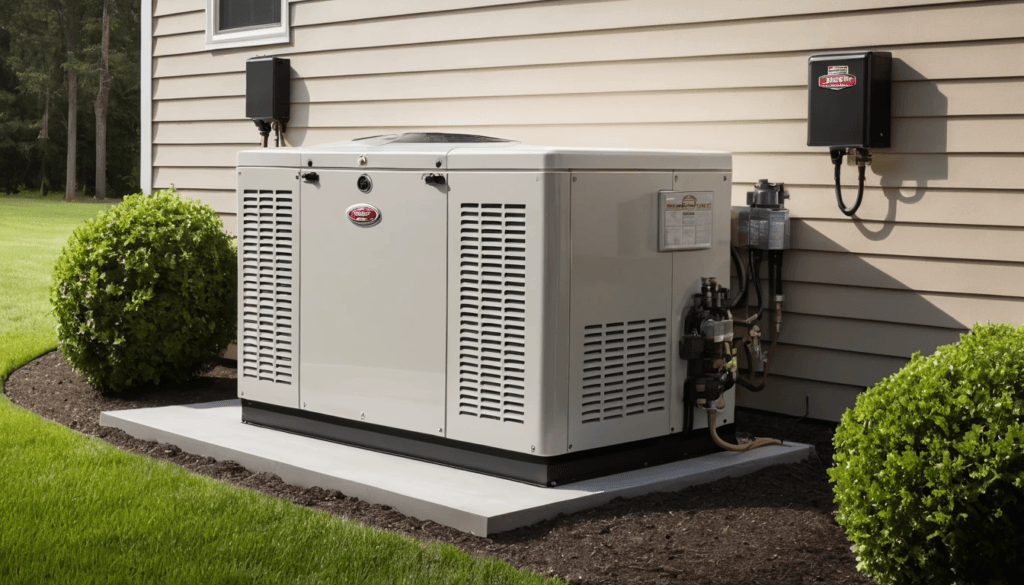
The generator connects to a continuous fuel source, like your home’s natural gas line or a large propane tank. This setup allows continuous operation without manual refueling. The system includes an exhaust to remove engine fumes and a weather-resistant enclosure safely.
Control Panel & Sensors
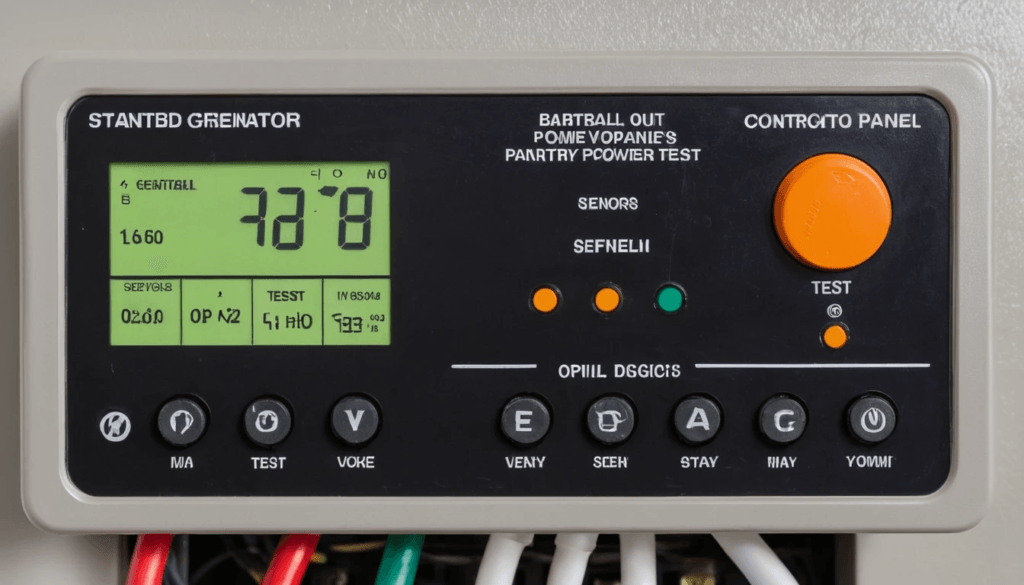
Sensors and an onboard control panel manage the generator system’s key functions. According to Home of Integrity, this digital controller detects power loss, manages the start-up and shutdown sequences, and often performs self-tests. The generator system runs regular self-diagnostics, either weekly or monthly, to ensure the system is ready in an emergency.
The Backup Process is done step by step.
The advantage of a home standby generator lies in its fully automated response to power outages.
This process comprises the following stages.
1. Detecting Power Loss
The ATS constantly monitors the utility line voltage. When this voltage drops to a specific level or even drops to zero, the ATS will record a power outage. This is the initial step of the automatic backup process.
2. To turn on the generator and switch the Load.
After the outage is detected, the ATS signals the generator to start its engine within a few seconds. Once the generator reaches full power (typically in 10 to 30 seconds), the ATS switches your home’s electrical supply from the utility to the generator. This process also prevents the generator from sending power back to the utility grid, which is essential for the safety of utility workers.
3. Meeting Power Requirement During the Outage.
The generator is now operational and supplying power to your home circuits. It can run your house for hours, days, and even weeks. The generator system is now active and powering your designated home circuits. It can operate for hours, days, or even weeks, depending on the generator’s capacity and available fuel supply. It continues to provide backup power until utility service is restored. The utility continuously monitors the utility line and transfers your home’s electrical circuits back to utility power once service is restored. After the transfer, the generator system undergoes a short cool-down to protect the engine, then reverts to standby mode. In Your Power Needs
To begin with, you have to determine what you want to power. Did you require a system that would encompass the entire house, or did you require circuits only? Write down a list of all your major appliances (HVAC, fridge, and well pump) and determine their start-up and running wattages. This load test will help you choose the size of generator to buy for your house.
Type and Location of Fuel.
You will need to decide between natural gas and propane. Natural gas is convenient when you have an existing line, but propane can be stored in large on-site tanks. The price and supply will vary by locality. To ensure good ventilation and safety, the generator must be located outside the building on a concrete pad and should not be placed near windows or doors.
Installation Requirements
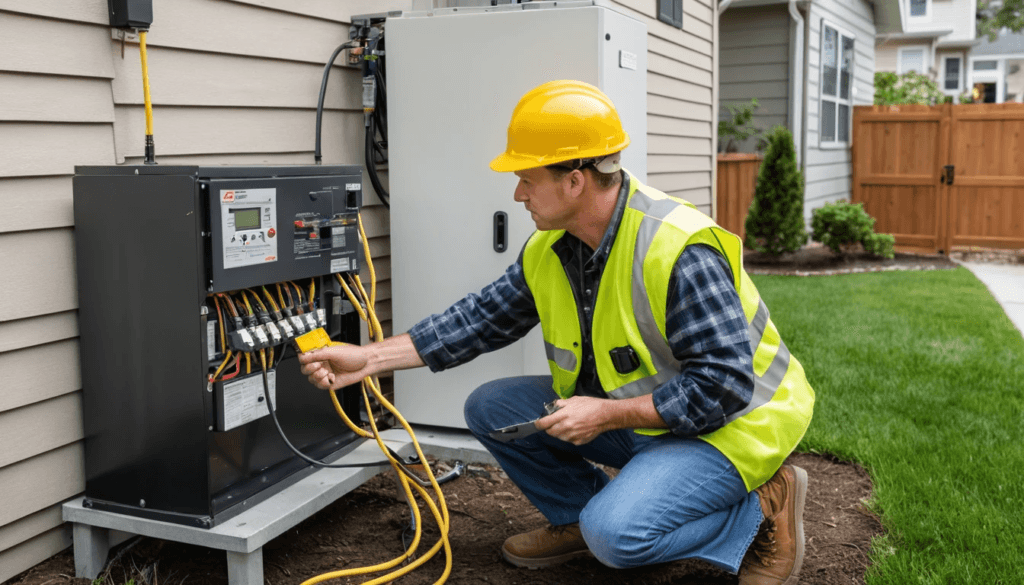
Installing a generator is not a DIY project. A certified electrician must install wiring and the ATS, and a qualified plumber is often needed for the fuel connection. Installation must comply with all local codes and permits.enance & Readiness
Regular maintenance should also be undertaken to ensure your generator is available when you need it. This involves changing the oil and filters, as recommended by manufacturers such as Generac. Most units also perform automatic weekly self-tests by briefly running the engines to circulate the oil and identify any problems.
Benefits and Limitations
A home standby generator is an expensive product, so one should weigh its advantages and disadvantages.
A home standby generator is a significant investment, so it is essential to evaluate its advantages and disadvantages carefully. Enables the operation of crucial systems, including Seamless. A home standby generator is a significant investment, so it is essential to evaluate its advantages and disadvantages carefully. It enables the operation of crucial systems, including HVAC, security, medical, and refrigeration equipment. Installation complexity: It will involve professional trades and permits for unit installation.
- Fuel Dependency: This is anchored on the unlimited supply of natural gas or propane.
- Noise: Standby generators do not produce the same noise as some portable ones, but they do make noise when in operation.