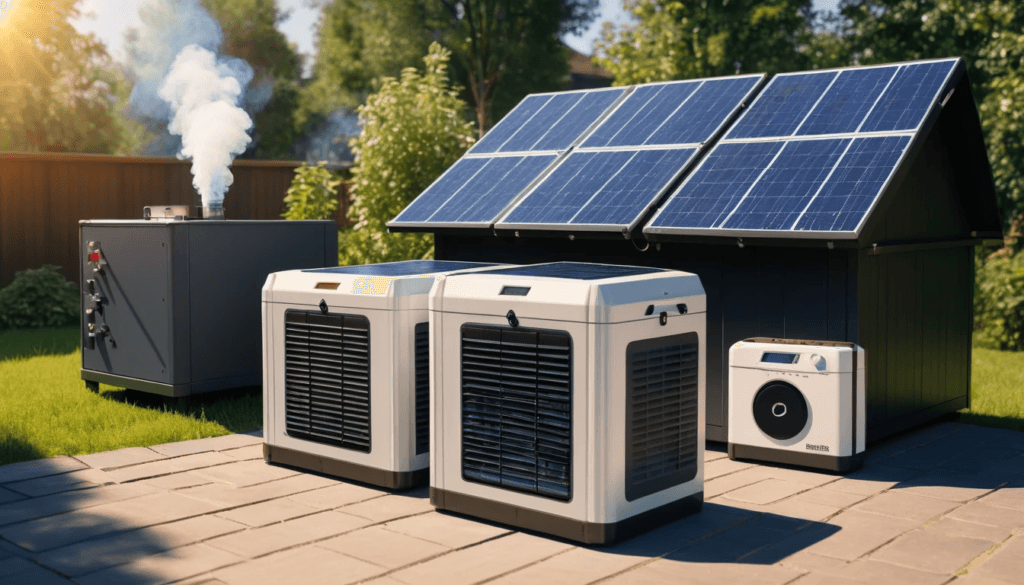
Power outages are increasingly common, and homeowners want reliable backup power. Gas generators have long been popular, but they are noisy, emit fumes, and create fuel storage issues. Solar generators are a cleaner, quieter, and low-maintenance alternative that keep essential devices running during outages or off-grid.
A solar generator is a compact power station that includes a large battery. It can be recharged by connecting it to solar panels, plugging it into a standard wall outlet (AC), or using a car’s 12V socket. Because solar generators do not burn fuel to operate, they are a safe and convenient source of electricity in various settings.
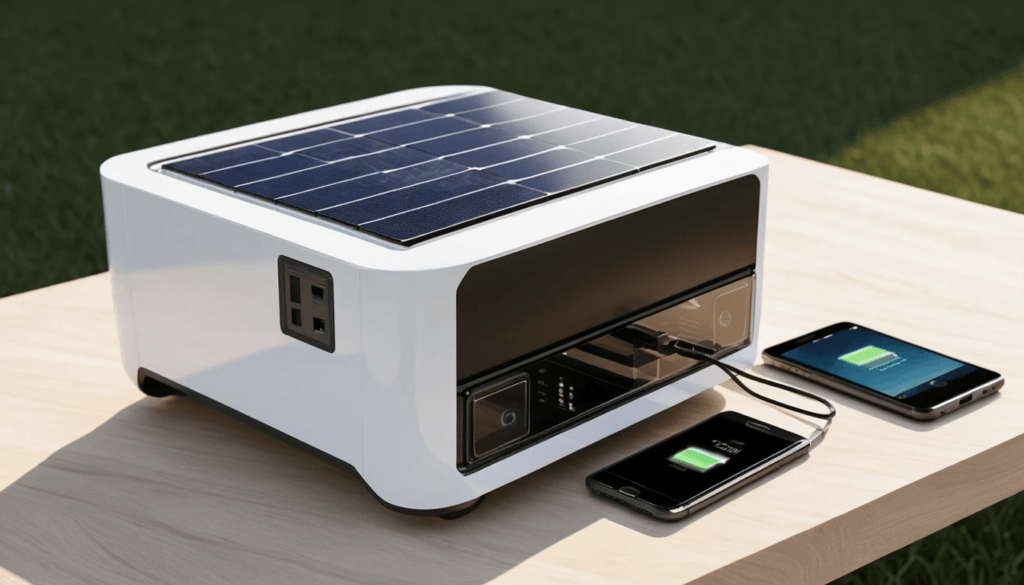
This manual helps you find the best solar generators under $1000. We’ll cover what to expect, which models fit your needs, and our top recommendations for reliable emergency power.
What Solar Generator should be chosen during an emergency power outage?
You have to be aware of what to consider when making a purchase. The same generator that is perfect for a camping trip might not be sufficient during a power outage at home. The following is a list of items to be considered.e Your Power Needs
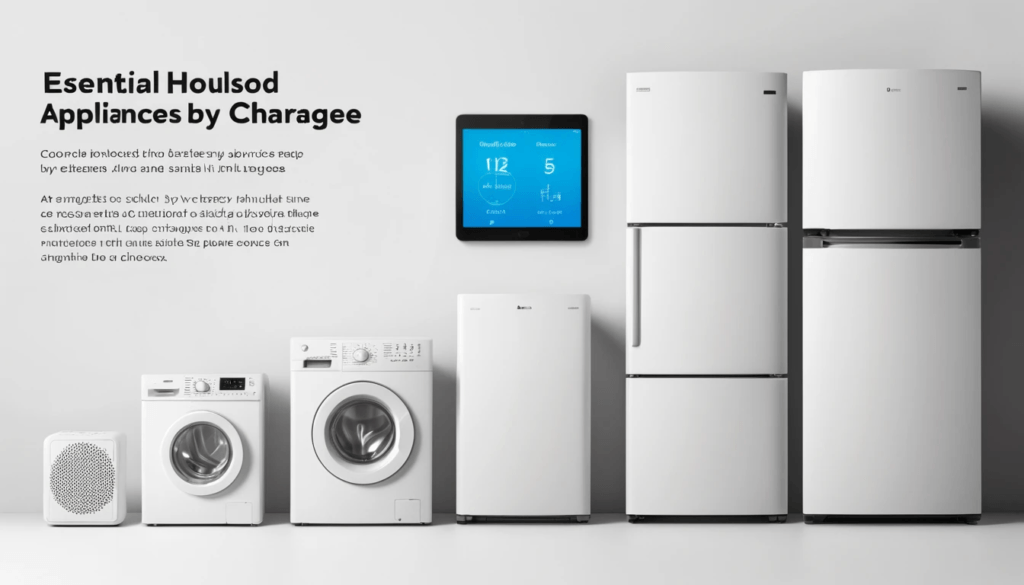
The first step is to determine which power source each piece of vital equipment requires and identify them. Common essentials
Include:
- Refrigerator (approximately 150-200W, and it has a greater start-up burst)
- Lights (LEDs use 5-15W)
- Wi-Fi Router (5-15W)
- CPAP Machine (30-60W)
- Laptops and phones (50-100W)
Once you have your list, divide the watt-hours (Wh) you need by the watt-hours per hour (Wh/h). The wattage is printed on the appliance’s label. The runtime is estimated by the following formula: Generator Battery Capacity (Wh) / Appliance Wattage (W) = Estimated Runtime (hours). You must always choose a generator with additional capacity when calculating reserve capacity.
Understand inverter output and surge rating.
An inverter converts DC power from the battery to AC power to power your appliances. The number of devices that you can work simultaneously is determined by the power in watts (W). The maximum power the generator can deliver in a few seconds is known as the surge rating. This is necessary for appliances with motors, like refrigerators, which require a brief surge of extra energy to start. Your generator must have a high surge rating to handle the surge load of the appliances you plan to use.
Battery lifespan, battery type, and storage capacity matter.
Battery capacity, measured in watt-hours (Wh) or kilowatt-hours (kWh), indicates how much energy the generator can store. Generators with capacities between 500 Wh and 1000 Wh are typically available for under $1000.
The battery’s chemistry is also essential. Most current solar generators use lithium iron phosphate (LiFePO4) batteries. They are also safer, more stable, and can be used over a long period (typically 3,000 or more charge cycles) compared to older lead-acid or standard lithium-ion batteries.
Recharge rate and available sunlight exposure are crucial considerations.
The rate at which the generator can be recharged using solar panels depends on the amount of solar radiation in watts. The bigger the input, the quicker the charging. This is necessary in the event of an emergency when time is limited during the day. Make sure the generator receives as much solar input as possible, and purchase a solar panel kit that can be upgraded to this level to ensure you can sustain the generator even when off-grid.
Portability, Noise, Fuel Independence.
Consider how you will use your generator. A lighter, smaller model will be the most suitable option if you need it for camping or an RV trip. For home backup, portability might not be a big issue. One of the most significant advantages of solar generators is that they are quiet, produce no sound, and can be installed in the home and at small, quiet campgrounds. Being fuel-free will mean not having to keep gasoline in the garage or worry about running out during a prolonged power failure.
Top Solar Generators Under $1000
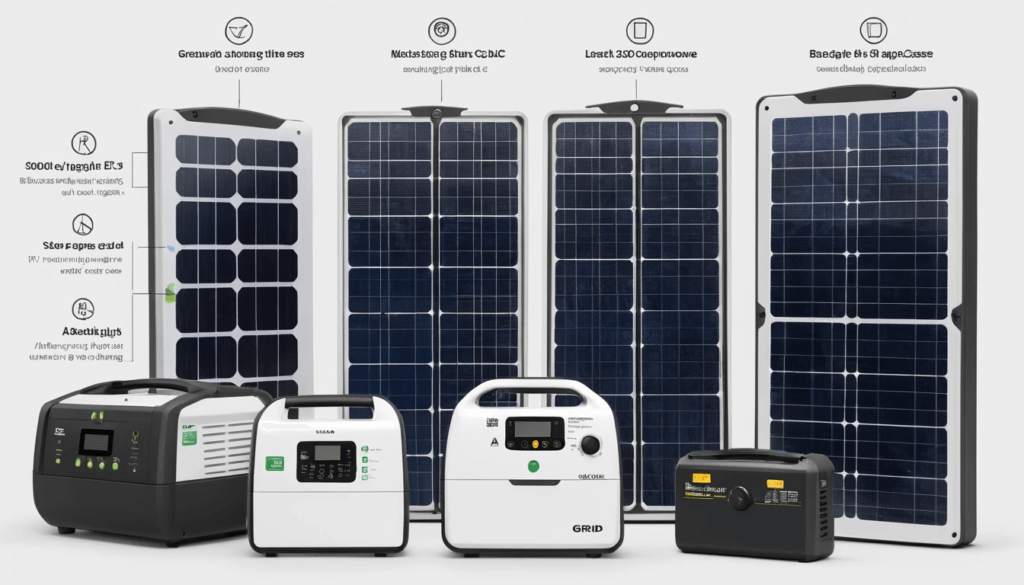
These are eight of the most appropriate options, offering good value for emergency power, camping, or RV use.
- Anker SOLIAnker SOLIX C1000: A high-end product with a strong brand name, large capacity, and sound output, making it a good choice for home and emergency needs.
- EcoFlow Delta 2 Power Station: It offers high-quality specifications and fast charging. It is a convenient home backup system at a low price.
- EcoFlow River 2 Max: A smaller and more portable EcoFlow. It is perfect for RVs, camping, and light-duty home use during power outages.
- 700W Solar Generator (Generic): This generic version of PowerHome.com offers good power at a lower price but may not be backed by the brand or the enhanced features of the high-end models.
- Straxelle Portable 1000W Power Station: This 1000W generator can power more demanding appliances and is reasonably priced. It has a good power rating for the price. Portable Power Station 800W: It is a low-priced product that can charge low-power devices and handle less-demanding situations.
- ALLPOWERS Solar Generator Kit 600W: This kit includes a ready-to-use solar panel out of the box for the wilderness and as a backup system in the house.
- ALLPOWERS Solar Generator Kit 300W: a low-end kit, which can be used with small appliances, camping, and a light RV.
Comparison Table
This table gives you a quick overview of our top picks to help you compare them at a glance.
| Model | Rated Output (Wattage) | Battery Capacity (Approx. Wh) | Best For | Notes | Price |
| Anker SOLIX C1000 | 1000W | 1056Wh | Home + Emergencies | Premium value under $1000 | See it On Amazon |
| EcoFlow Delta 2 | 1800W | 1024Wh | Home Backup | Excellent specs for the price | See It On Amazon |
| EcoFlow River 2 Max | 500W | 512Wh | RV / Camping / Light Home Use | Compact and portable | See it onAmazon |
| 700W Solar Generator (Generac) | 700W | 716Wh | Budget Home/Backup | Less brand support | See It On Amazon |
| Straxelle 1000W Power Station | 1000W | 999Wh | Higher-Load Needs on a Budget | Good output for the price | Not Available |
| AFERIY 800W Station | 800W | 716Wh | Essential Loads | Value-oriented budget pick | See It On Amazon |
| ALLPOWERS Kit 600W | 600W | 299Wh | Outdoor / Home Backup | Complete kit advantage | See It On Amazon |
| ALLPOWERS Kit 300W | 300W | 288Wh | Camping / Light Backup | Entry-level kit | See It On Amazon |
Pros and Cons of Solar Generators Under $1000
Even though these generators offer great value, keep your expectations realistic.
Pros:
- Quiet and Clean: They are silent and produce no emissions, making them safe to use indoors.
- Low Maintenance: No engine maintenance or oil changes.
- Fuel-Free: No gasoline storage required.
- Good Value: Can afford to power the required appliances without going bankrupt.
Cons:
- Weak Power: They cannot use high-demand equipment, such as central air conditioning or power tools.
- Less Recharge: Solar panels recharge only when there is weather and daylight, both of which are unpredictable.
- Weaker Functionality: Low-end models may have smaller. Buying a solar generator for less than $1000 is a wise choice for anyone who wants to be prepared for power outages or for off-road travel. These units offer a clean, quiet, and efficient alternative to traditional gas generators and are better at supplying the power needed to keep your life running smoothly. By considering power needs and factors such as battery capacity, inverter output, and portability, you can find a model that fits your budget and lifestyle. Whichever choice you make to purchase an Anker high-end model or a complete set by ALL POWERS, you will be making a giant step towards energy self-sufficiency and a feeling of security. For a budget of around $500-1000, you can have a reliable power supply available whenever you need it most. $500-1000, you can have a reliable power supply available whenever you need it most.
Frequently Asked Questions
This depends on the power that your refrigerator consumes and the size of your generator battery. A typical refrigerator consumes about 150W. It would run approximately 6-7 hours on a 1000Wh generator. This may be increased by simply turning the fridge on and off.
It may take some time to operate a tiny energy-efficient window AC unit. Most models in this price bracket, however, cannot handle the high power consumption of a typical or central air conditioning system.
Models like the ALLPOWERS kits that have solar panels exist. They will be forced to purchase them separately. The panels are required to charge the generator during a prolonged off-grid emergency.
Yes, but it’s minimal. The solar panels are to be kept clean, the generator is to be stored in a climate-controlled area, and it should not be used when not necessary. All connections should be checked periodically.
The first step before you can determine the correct size is to list all the gadgets you want to power, multiply them, and estimate how many hours you will use them. The number of watt-hours (Wh) that you will need will be obtained. Choose a generator with a capacity that provides a comfortable buffer.