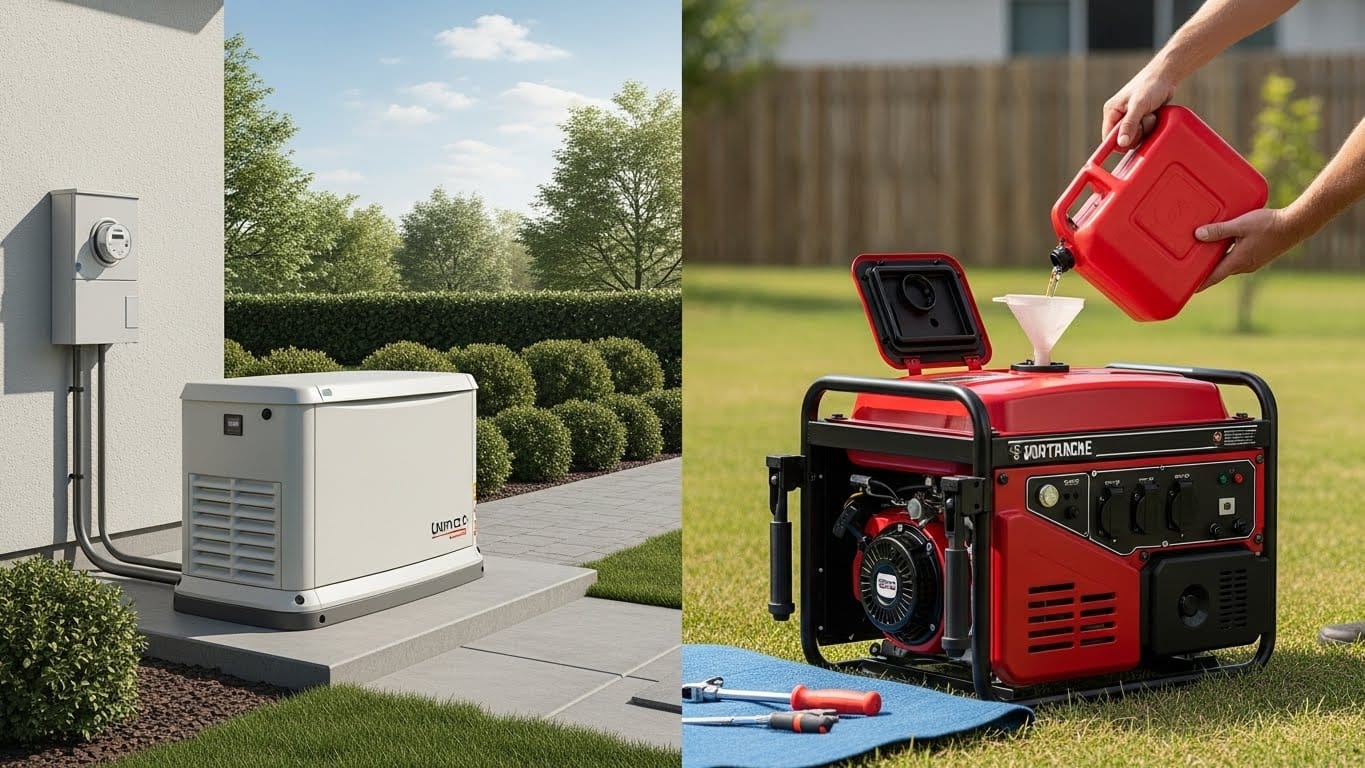
Severe weather and an aging power grid are increasing the frequency and duration of power outages. A dependable power supply is no longer a luxury but a necessity for homeowners in 2025, ensuring their security and comfort. A home standby generator can give you peace of mind, help secure your family and your home, and even raise your home’s value.
Nevertheless, prices of home standby generator installation can differ significantly. Factors such as the generator’s size, the type of fuel it uses, and the complexity of the installation will all contribute to the final price. Knowledge of these variables is essential for making a wise decision without surprises.
This guide provides a step-by-step description of the process for installing a home generator and the general pricing for each component. At the end, you will be in a better position to budget for this crucial upgrade of your home.
What Is a Home Standby Generator and Why It Should Be Installed.
It is worthwhile to understand what a home standby generator is and how it is installed before discussing its cost. This information explains why trices might vary widely between projects.
Definition and the difference between it and Portable generators.
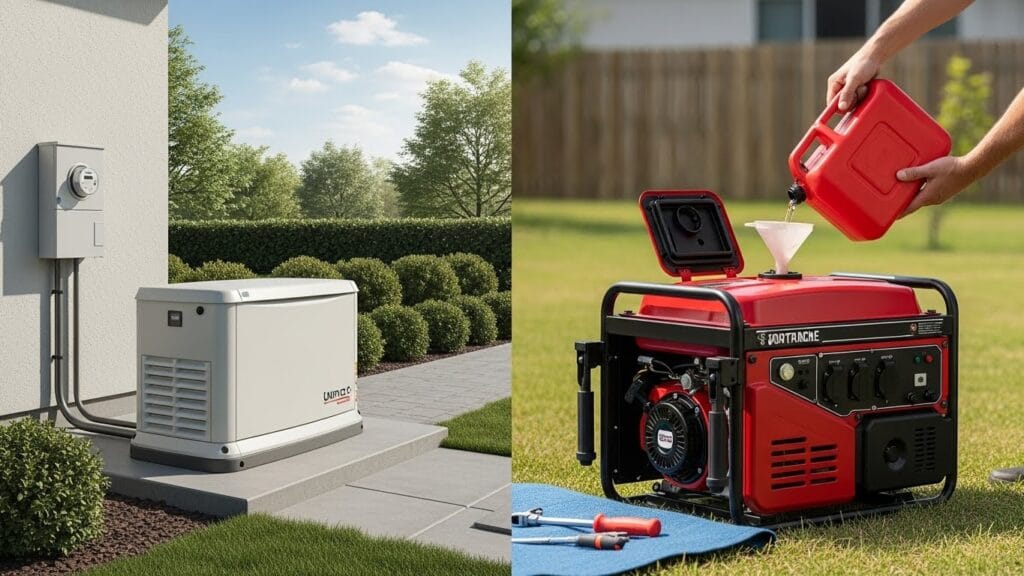
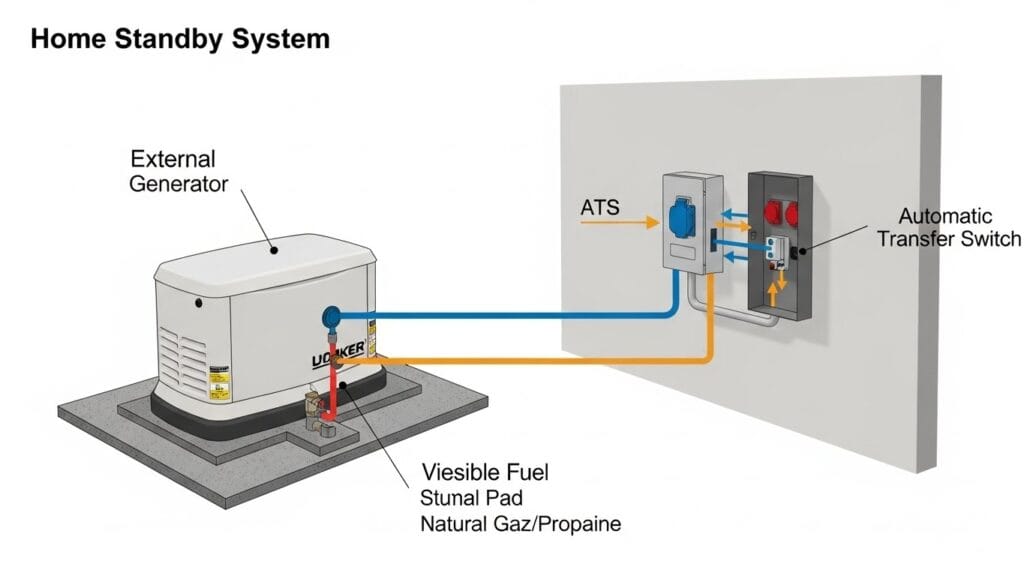
A home standby generator is permanent, unlike a portable generator that you have to manually set up and refuel in the event of an outage. It is placed on the outside of your house, like an air conditioning system, and is hooked directly to your home electrical panel and to a special fuel supply, such as natural gas or propane. Its most important attribute is the automatic transfer switch (ATS), which identifies a power outage and automatically turns on the generator, restoring power to your home within a few seconds.
Key Installation Elements
An expert installation of a home generator is a combination of several essential parts:
- Site Preparation: A flat, firm base is laid out to place the generator, typically a concrete pad.
- Fuel Connection: A certified technician will provide a connection to a generator to your natural gas line or a propane tank.
- Automatic Transfer Switch (ATS): A device connected to your main electrical panel that controls switching between grid power and generator power.
- Wiring: The electrical wiring will connect the ATS to the generator and your home’s electrical system.
- Permits: Local permits are nearly always required to ensure the installation complies with safety and building codes.
Why Costs Vary So Much
The overall cost of the generator installation depends upon a variety of factors such as the size of the generator (in kilowatts), the distance between the generator and the fuel source and the electrical panel, labor rates in your area, permitfeese,s nd the topography of your land.
Cost Breakdown — Step by Step
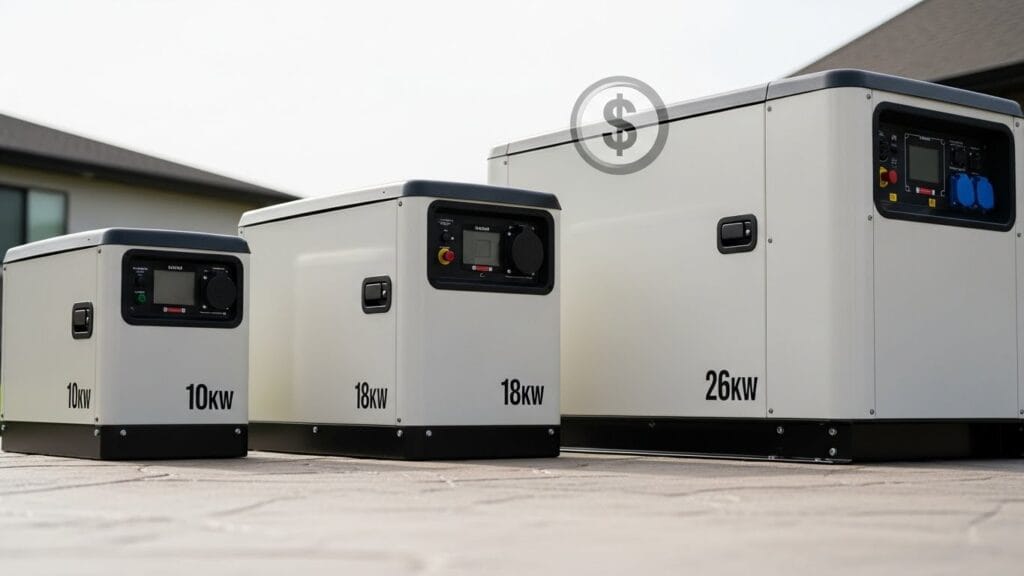
To help you better understand this, the following is a breakdown of the average cost for each phase of installing a home generator.
Generator Unit Cost
The generator itself is the most expensive single cost. The price is based on its capacity, brand, and features. For example, an average system from a well-known manufacturer, such as Cummins, will cost about $4000 for a 13 kW unit, which can be used to supply the necessary circuits. the
Bigger ones capable of serving one whole house will be much more expensive.
Transfer Switching and Electrical Integration.
The automatic transfer switch is essential to the smooth running. Most residential systems cost between $$ 600 and $ 1,200 to purchase the switch and the electrical parts required to make the switch work.
Preparation of Site and Concrete Pad.
The generator should have a solid and flat surface. This may be an existing pad that is pre-fabricated or a poured concrete slab. Site preparation may cost as little as $300 or as much as $2,000, depending on your property’s terrain and the ease of access.
Fuel Source Connection
A licensed plumber or gas fitter is required to connect the generator to a fuel source. When a natural gas line already exists, it is easier to make the connection. If you need to install a new propane tank, it will be more expensive. This aspect of the installation may increase the cost by 500-2000 dollars.
Permits, Inspections, and Misc. Fees.
The majority of municipalities permit electrical and plumbing work. These charges vary by location but are usually between $100 and many hundreds of dollars.
Labor & Installation
It is not a home-based installation. Licensed plumbers and electricians will be required to do the wiring, fuel connection and final testing. Labor expenses are also a considerable part of the budget, with costs usually between 2000 and 5000, or higher, depending on the project’s complexity and local rates.
Grand Total Range
All said and done, the average American homeowner will spend between $6,000 and $15,000 on a complete home standby generator installation. This unit, material, and professional labor figure is a standard installation.
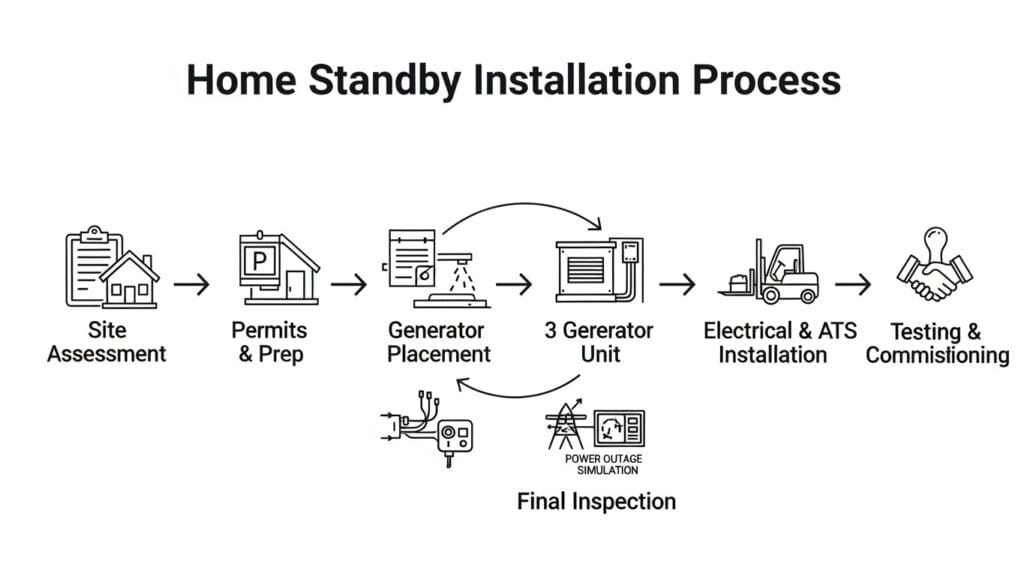
Installation Process step by step.
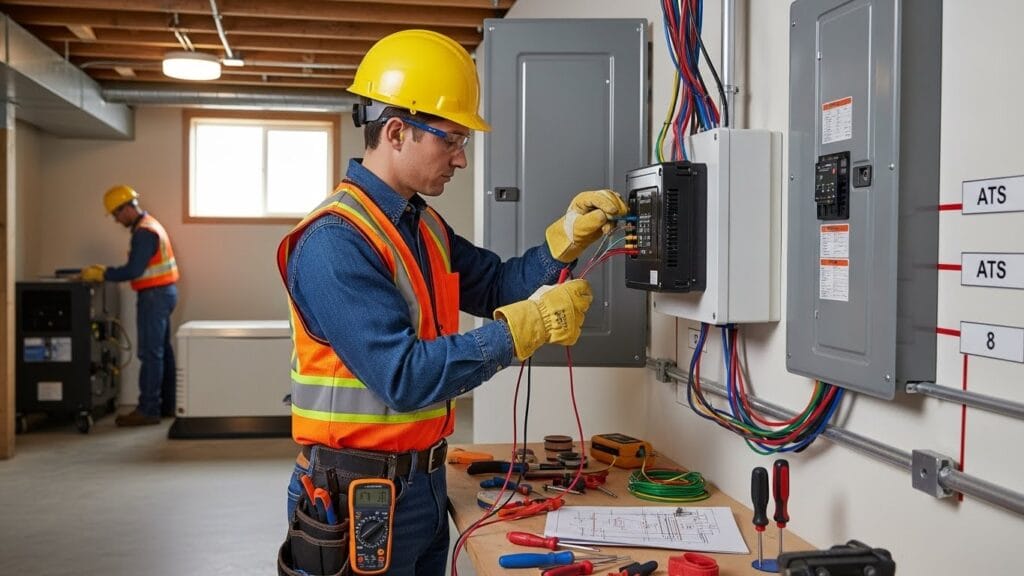
This is because knowing the installation process step by step will help you understand what to expect.
- Step 1 – Site Assessment & Quote
An installer will come to your house to determine your power requirements, check your electrical panel, determine the most convenient place to install the generator, and assess the availability of a fuel source. On this, they will give a comprehensive quote.
- Step 2 – Permits & Prep Work
After accepting the quote, the installer will draw the required permits. They can start prep work, such as pouring the concrete pad and laying the fuel line, while waiting for approval.
- Step 3 – Generator Shipment and On-site.
The generator unit is brought and then cautiously positioned on the prepared pad. After this, the fuel line is connected.
- Step 4 -Installation of Electrical and Transfer Switch.
The installation of the automatic transfer switch is done by a licensed electrician and he connects it to your main electrical panel. They will also do the wiring between the generator and the ATS.
- Step 5 – Testing & Commissioning
The installer will simulate a power outage to test the system. They make sure the generator is automatically started, the transfer switch is functioning correctly, and all circuits are energized.
- Step 6 – Final Inspection and Handover.
An on-site inspector will come to inspect the installation. After passing it, the installer will give you all the required documentation and demonstrate to you how the system works.
Cost Increasing or Decreasing Factors.
- Home size and Generator Capacity: Bigger homes will need bigger generators, which are more expensive to buy, to serve more circuits or the whole house.
- Fuel Type: It is common to use an existing natural gas line rather than installing a new propane or diesel tank, and the cost of the former is usually lower.
- Distance to Panel/Fuel Line: With longer distances, more wiring, trenching, and materials are required, which increases costs.
- Terrain and Access: Labor costs may be higher in difficult-to-reach areas of the installation.
- Extra Features: Features such as remote monitoring, quieter enclosures, and high-end brands will incur an additional cost.
- Local Labor and Permit Costs: There is significant variation in the rates for skilled labor and permit fees across regions.
Cost-Saving Tips
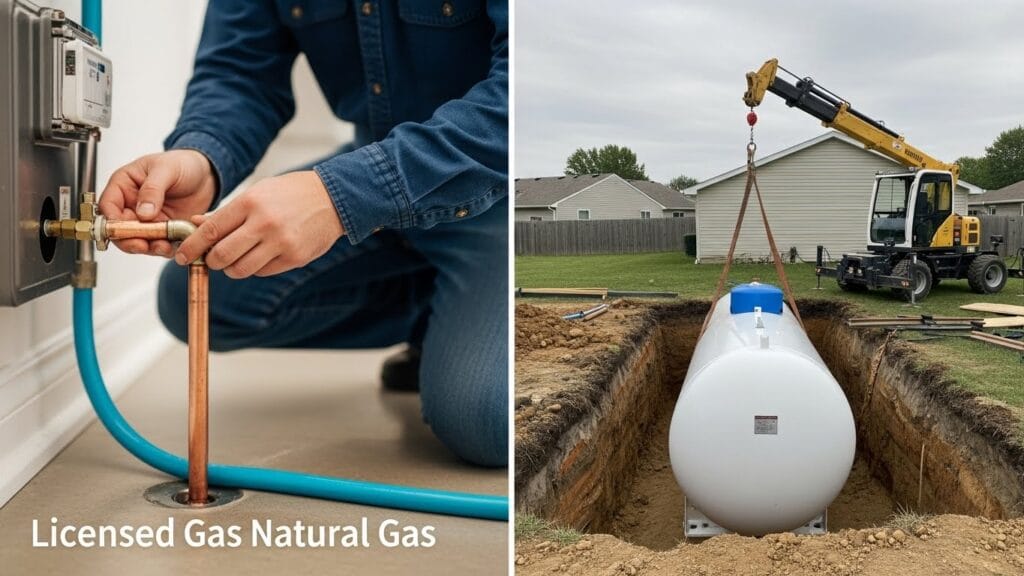
Use Existing Gas Lines: If you have this, the cheapest fuel source is to tap into your home’s natural gas line.
Size Right: Select a generator that is just enough to serve your basic appliances instead of buying one that is large enough to serve the entire house.
Request Multiple Quotes: It is always best to have at least three quotes from certified installers to compare prices and services.
Schedule Off-Peak: Installers can also provide lower rates during their low season.
Search for local rebates, tax incentives, or financing options that may help reduce the initial cost.
Your Future is in the Strength of Security.
A home standby generator is a costly purchase, but it is worth the investment for peace of mind and to avoid the inconvenience of power outages. With a bit of knowledge of the cost elements, proper planning, and the selection of reliable professionals, you can be sure that your residence is safe and operational in the event of a grid outage.
Ready to take the next step? To assist you in choosing the best model for your home, visit myelectricgenerators.com to review the model, checklists for the installer, and complete cost comparison tables.